
Essential Attic Ceiling Repair Products For Quick Fixes
Get the right tools and materials to address common attic ceiling issues swiftly and efficiently with minimal hassle.
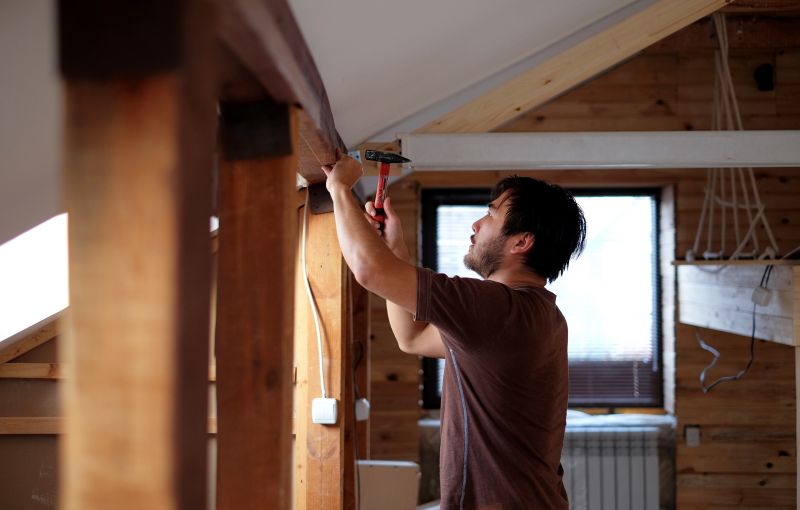 Attic ceiling repairs can be essential for maintaining the structural integrity and energy efficiency of a home. Over time, issues such as water damage, sagging, cracks, or insulation gaps may arise, necessitating targeted repairs. Selecting the right products for attic ceiling repairs ensures that these issues are addressed effectively and safely. From patching materials to insulation solutions, a variety of tools and supplies are available to help homeowners and contractors restore attic ceilings to their proper condition.
Top Overall Option
Multi-Purpose Ceiling Repair Kit
A versatile ceiling repair kit that includes patching compounds, mesh, joint tape, and finishing tools. Designed for a variety of repair needs, it offers a comprehensive solution for small to medium attic ceiling issues. Its user-friendly components make it suitable for both DIY enthusiasts and professionals seeking reliable, all-in-one repair options.
Types of Products For Attic Ceiling Repairs
Patching Compounds
Ready-mixed or powder-based compounds used to fill cracks, holes, and surface imperfections in ceilings.
Mesh and Backing Materials
Reinforcement meshes and backing fabrics that provide support for large repairs and prevent cracking.
Joint Tape
Self-adhesive or paper tapes used to seal seams and joints in drywall or plaster ceilings.
Insulation Batts and Rolls
Materials used to improve thermal insulation and reduce moisture infiltration in attic ceilings.
Spray Foam Insulation
Expanding foam used to seal gaps, cracks, and holes in ceiling structures for better insulation.
Ceiling Texture Sprays
Products that restore or modify ceiling textures after repairs, matching existing finishes.
Moisture Barriers
Vapor barriers that help control moisture and prevent mold growth in attic spaces.
Ladders and Scaffolding
Equipment to safely access high ceiling areas during repair work.
Sealants and Caulks
Flexible sealants for sealing gaps and joints around fixtures and penetrations.
Drywall Sheets
Replacement panels for large damaged sections of ceiling drywall.
Fasteners and Anchors
Nails, screws, and anchors for securing drywall, insulation, and reinforcement materials.
Lighting Fixtures
Replacement or repair of ceiling lighting to improve attic visibility post-repair.
Vapor Retarders
Materials that help control moisture transmission in ceiling assemblies.
Fire-Resistant Coatings
Protective coatings that add fire resistance to ceiling surfaces in attic spaces.
Popular Choices
Widely used for finishing drywall seams and smoothing surfaces before painting.
Pre-cut patches for quick and easy coverage of small holes and cracks.
Expanding foam used to seal gaps and cracks around wiring, vents, and fixtures.
Standard insulation options for improving attic thermal performance.
Products that help match existing ceiling textures after repairs.
Flexible rolls designed to prevent moisture transfer in attic spaces.
Extendable ladders for safe access to high ceiling areas during repairs.
Tool for precise application of sealants and caulks around fixtures and cracks.
Fasteners for attaching drywall sheets securely to ceiling joists.
Energy-efficient lighting options to improve visibility during repairs.
Support material for large cracks and holes in ceiling surfaces.
Protective coating to enhance fire safety in attic ceiling areas.
Proper inspection is the first step in any repair process. Once damage or deterioration is identified, choosing suitable repair products becomes crucial. For example, small cracks might be sealed with joint compounds or patching compounds, while larger holes or sagging areas may require reinforcement with mesh or backing materials. Insulation products can also be incorporated to improve energy efficiency and prevent future issues related to moisture and temperature fluctuations.
Durability and ease of application are important considerations when selecting repair products. Many options are designed for both professional and DIY use, featuring user-friendly application methods. Additionally, selecting materials that are compatible with existing ceiling finishes and structures helps ensure a seamless repair. Proper ventilation and moisture control are also key factors to consider, as they can influence the longevity of the repair work. Overall, a comprehensive approach that combines suitable repair products with proper techniques can lead to more effective and long-lasting attic ceiling repairs.
Key Buying Considerations
- Assess the extent of damage to determine whether patching or replacement is needed.
- Choose materials compatible with existing ceiling finishes for a seamless repair.
- Consider the size and scope of the repair when selecting products—small cracks vs large holes.
- Opt for easy-to-apply products if undertaking DIY repairs, or professional-grade materials for complex issues.
- Ensure insulation products meet your thermal and moisture control needs.
- Check for fire-resistant or safety-rated options if applicable to your attic environment.
- Select repair products with good adhesion and durability for long-lasting results.
- Use appropriate tools and safety equipment to prevent injury during repairs.
- Evaluate the accessibility of the repair site—high ceilings may require special equipment.
- Consider moisture barriers or vapor retarders to prevent future water damage or mold growth.
- Match ceiling textures post-repair for aesthetic consistency.
- Prioritize products that are compatible with existing structural materials.
- Review product labels for suitability in attic environments, especially regarding temperature and humidity conditions.
- Account for ventilation needs to prevent future moisture buildup.
- Determine whether additional electrical or lighting repairs are necessary during ceiling work.
This page contains affiliate links. We may earn a commission if you make a purchase through these links, at no additional cost to you.