Optimal Timing for Attic Ceiling Repairs
Timing for attic ceiling repairs depends on several factors including climate, seasonal temperature variations, and the state of the attic structure. Conducting repairs during mild weather conditions minimizes disruptions and ensures safer, more effective work. Typically, late spring and early fall are ideal times due to moderate temperatures and lower humidity levels.
Spring offers moderate temperatures and less humidity, which helps materials cure properly and reduces the risk of mold growth during repairs.
Fall provides cooler weather and less precipitation, making it suitable for ensuring repairs are completed before winter.
Extreme heat in summer can cause materials to expand and contract, while winter cold can hinder adhesion and curing processes.
Dry, stable weather conditions are crucial for effective attic ceiling repairs, preventing delays caused by rain or snow.
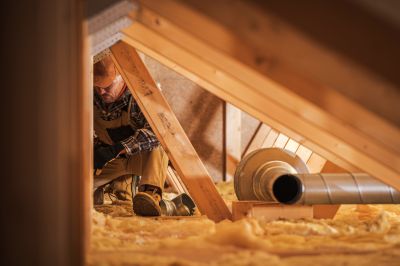
Spring weather is ideal for attic ceiling repairs due to moderate temperatures.
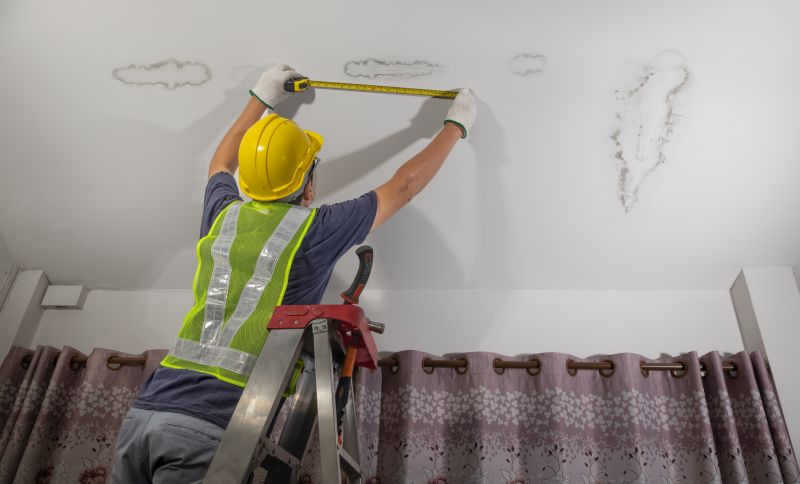
Fall provides cooler weather, suitable for completing repairs before winter.
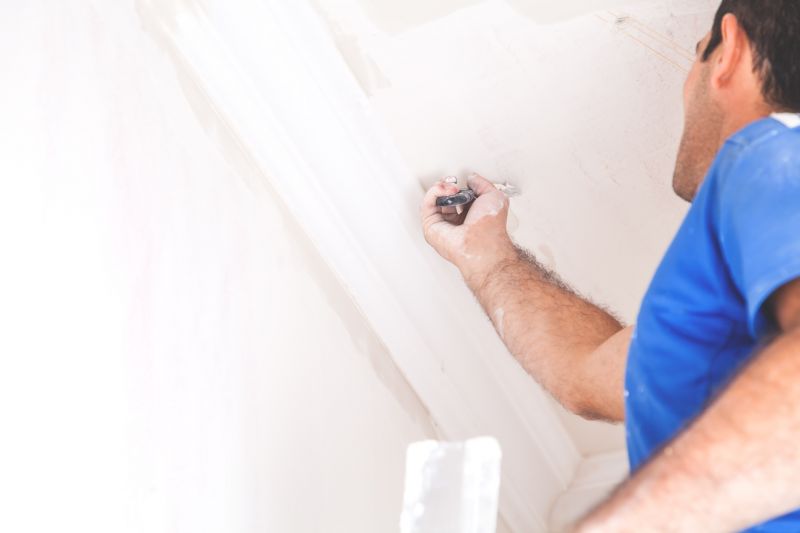
Dry weather ensures repairs are not delayed by rain or snow.
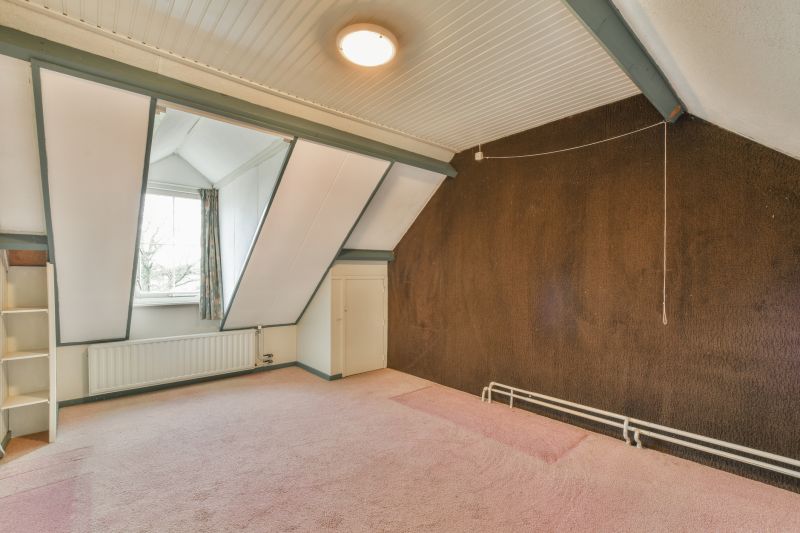
Ways to make Attic Ceiling Repairs work in tight or awkward layouts.
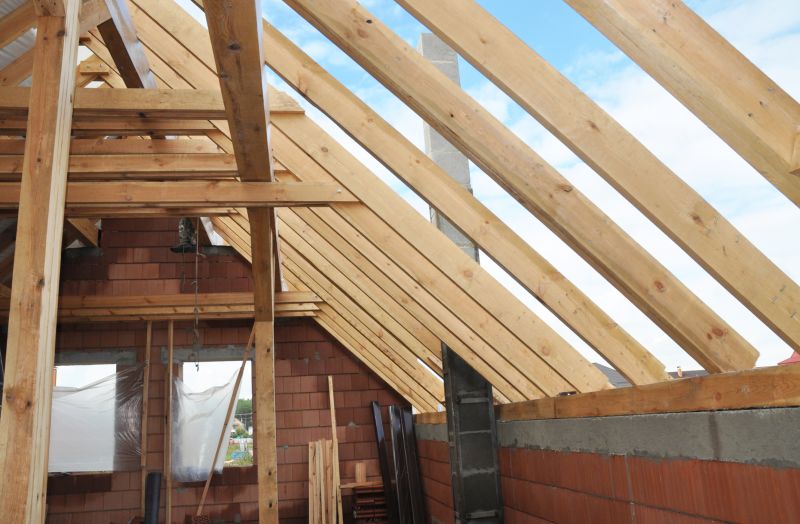
Popular materials for Attic Ceiling Repairs and why they hold up over time.
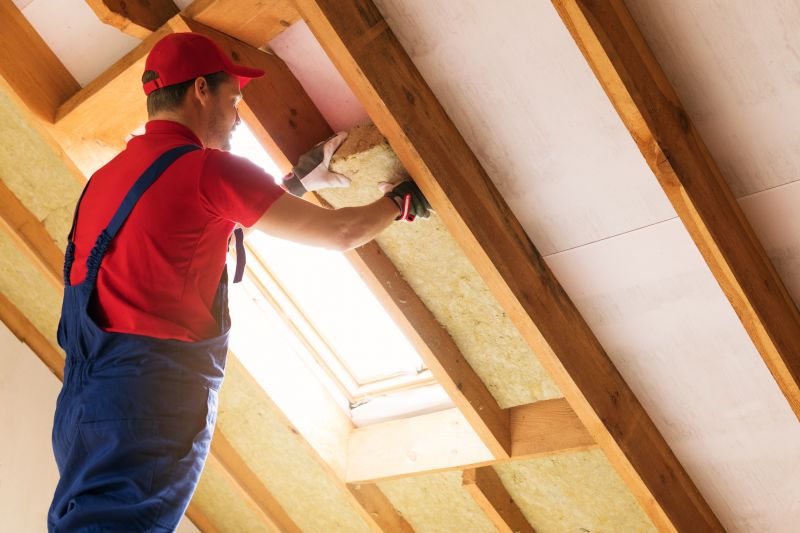
Simple add-ons that improve Attic Ceiling Repairs without blowing the budget.
Attic ceiling repairs are essential for maintaining the structural integrity and insulation performance of a building. Over time, ceilings can develop cracks, water damage, or sagging due to roof leaks or age-related wear. Addressing these issues promptly can prevent further damage, improve energy efficiency, and enhance indoor comfort. Proper repair techniques include patching cracks, replacing damaged drywall, and sealing leaks to prevent moisture intrusion.
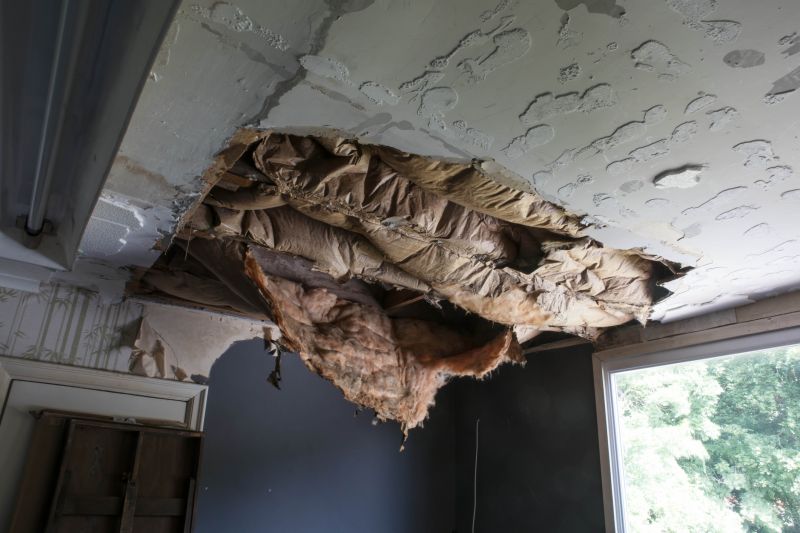
Cracks and sagging indicate the need for repairs.
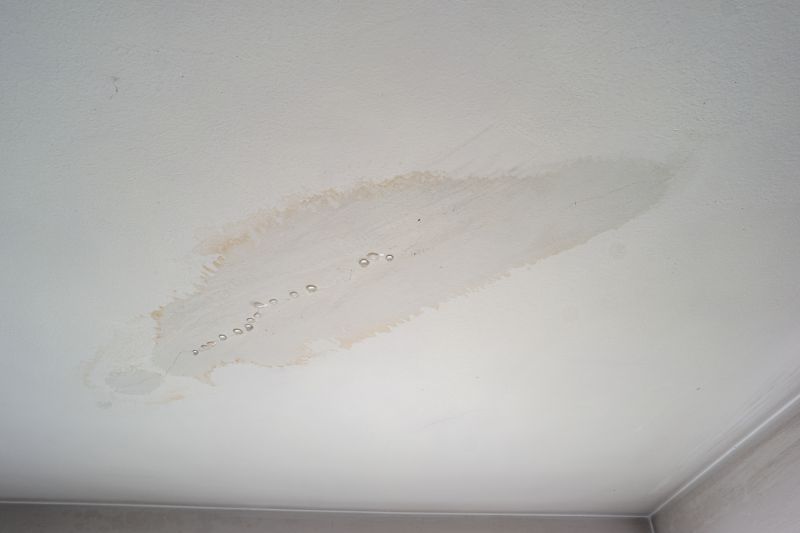
Water stains and mold are common indicators of leaks.
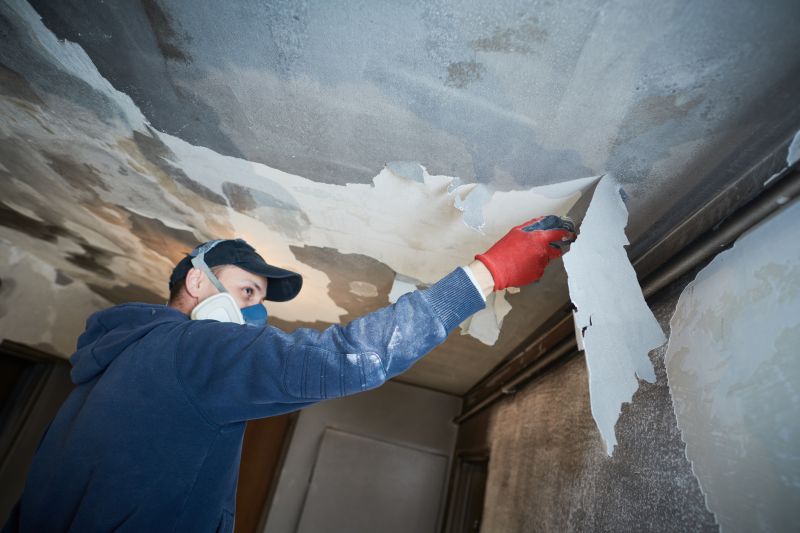
Patching and sealing restore ceiling integrity.
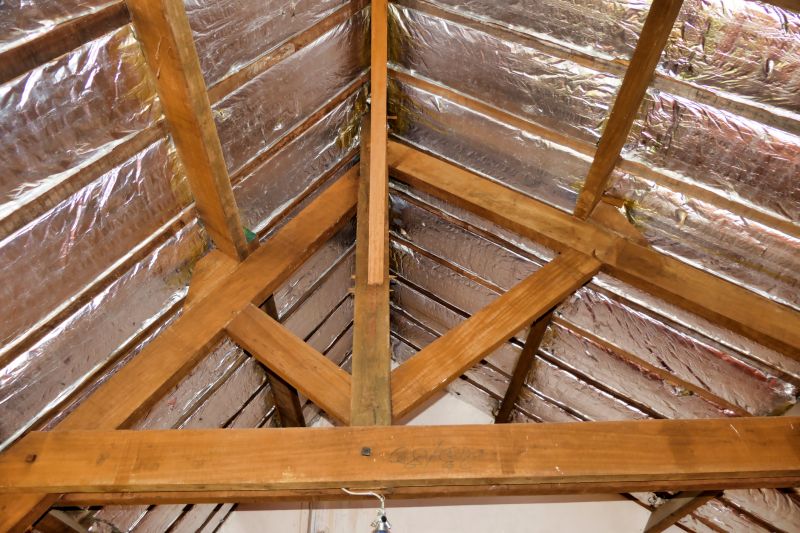
Proper insulation and ventilation are vital during repairs.
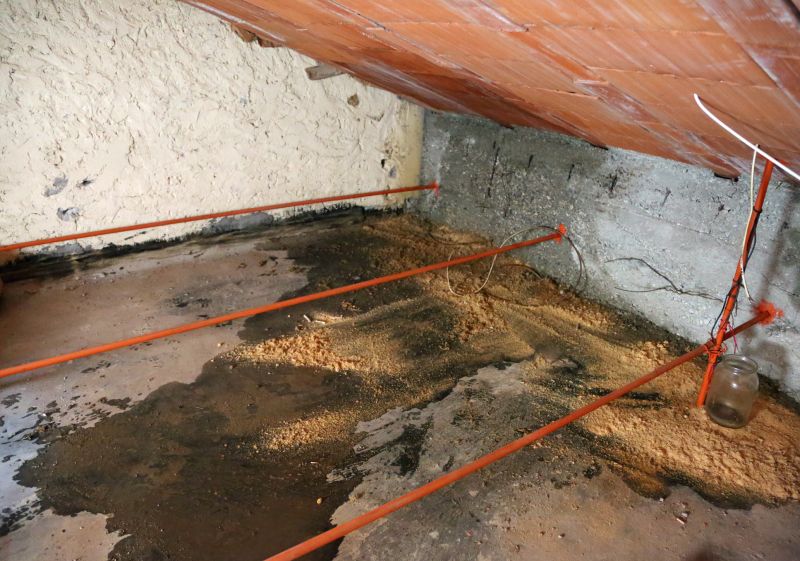
High-end options that actually feel worth it for Attic Ceiling Repairs.
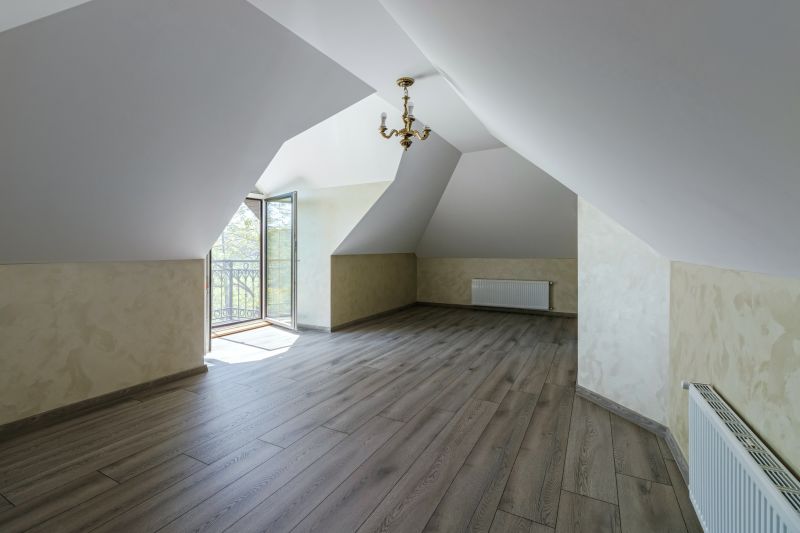
Finishes and colors that play nicely with Attic Ceiling Repairs.
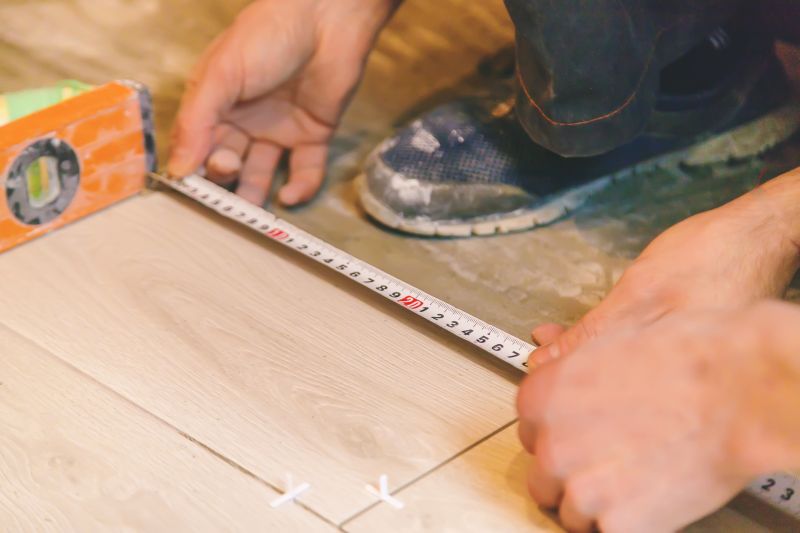
Little measurements that prevent headaches on Attic Ceiling Repairs day.
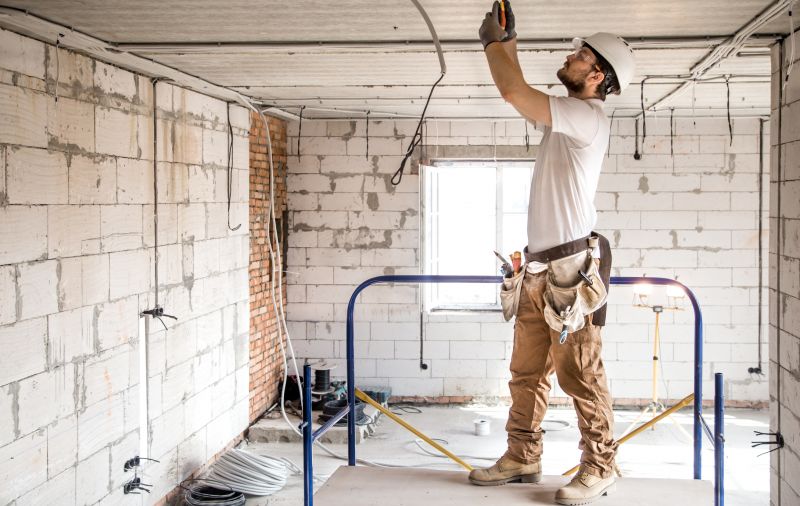
A 60-second routine that keeps Attic Ceiling Repairs looking new.
| Season | Ideal Conditions |
|---|---|
| Spring | Moderate temperatures, low humidity, less rain |
| Summer | High temperatures, potential humidity issues |
| Fall | Cooler weather, less precipitation |
| Winter | Cold temperatures, snow, and ice risks |
| Off-season | Limited availability, higher costs |
Scheduling attic ceiling repairs during the optimal seasons ensures better results and reduces the likelihood of delays caused by adverse weather. Proper timing also helps in maintaining insulation efficiency and prevents costly damage from moisture or structural issues.

Ideal weather for attic ceiling repair projects.
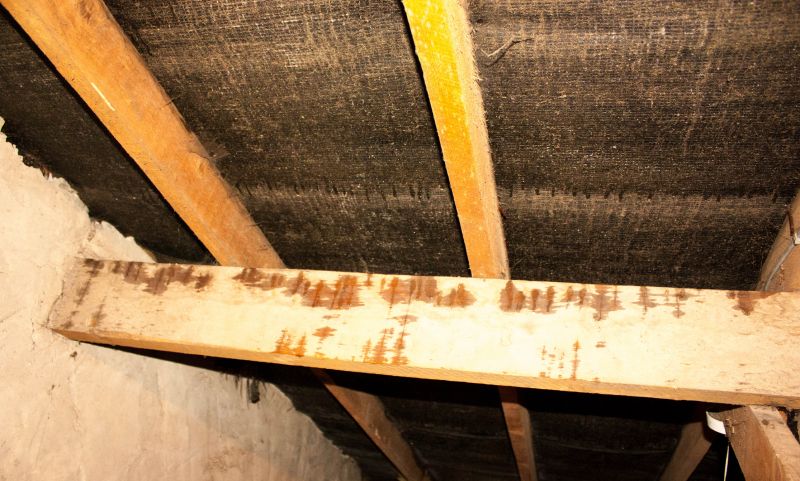
Optimal conditions for completing repairs.
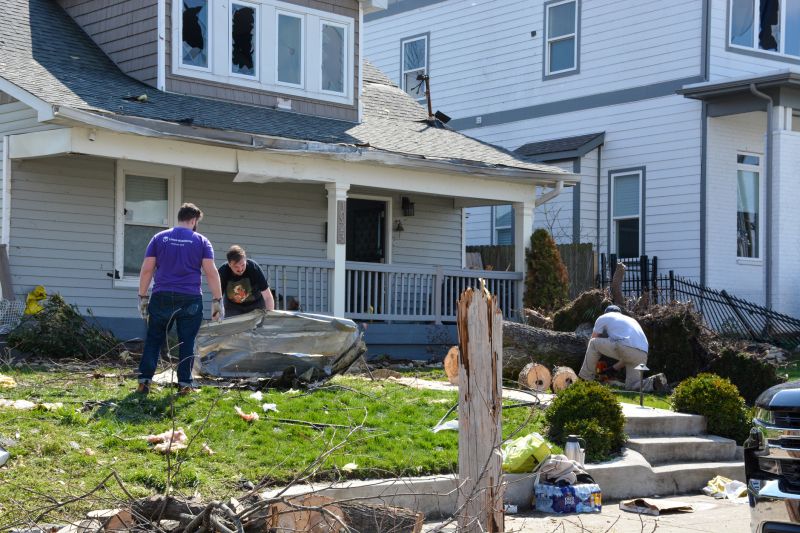
Weather conditions influence repair scheduling.
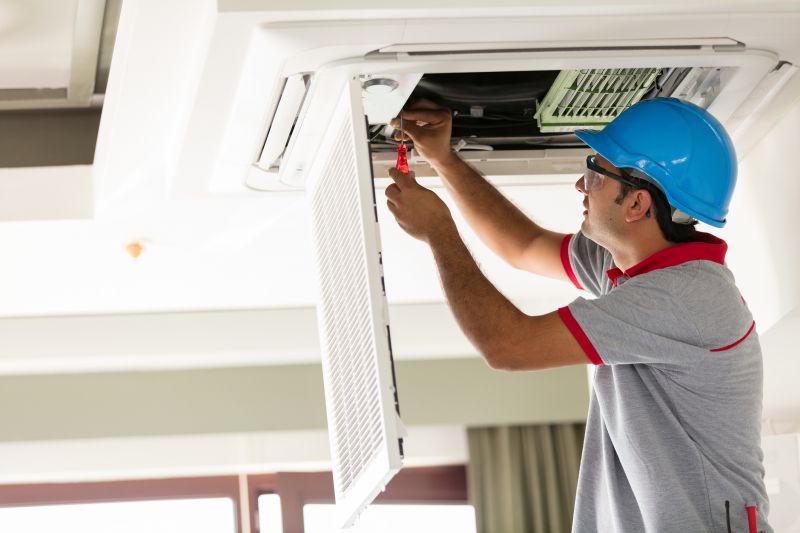
Choosing the right season is key for effective repairs.
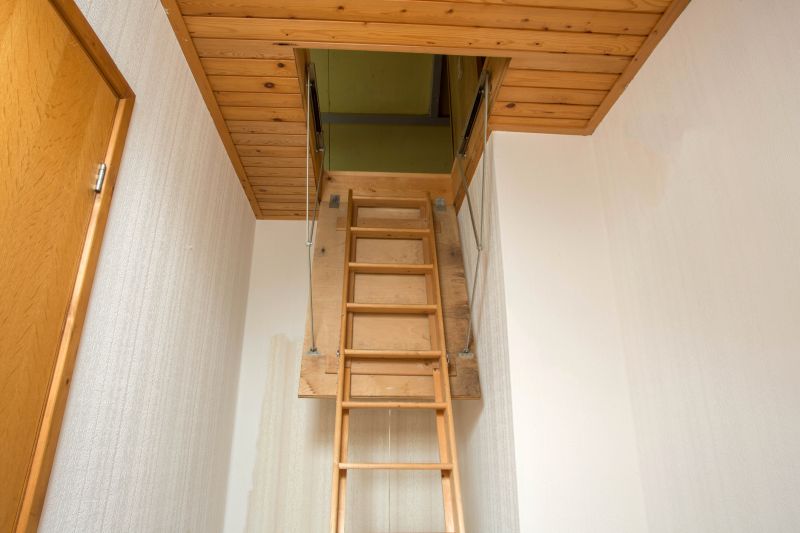
A frequent mistake in Attic Ceiling Repairs and how to dodge it.
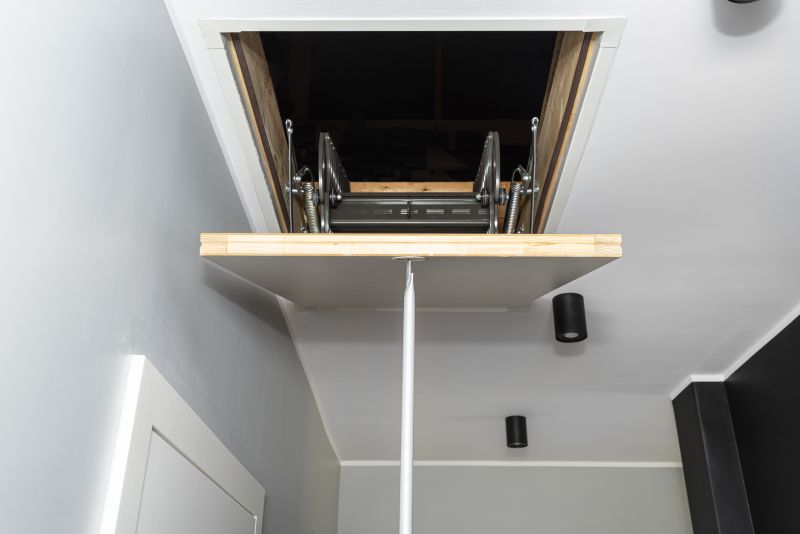
Small tweaks to make Attic Ceiling Repairs safer and easier to use.
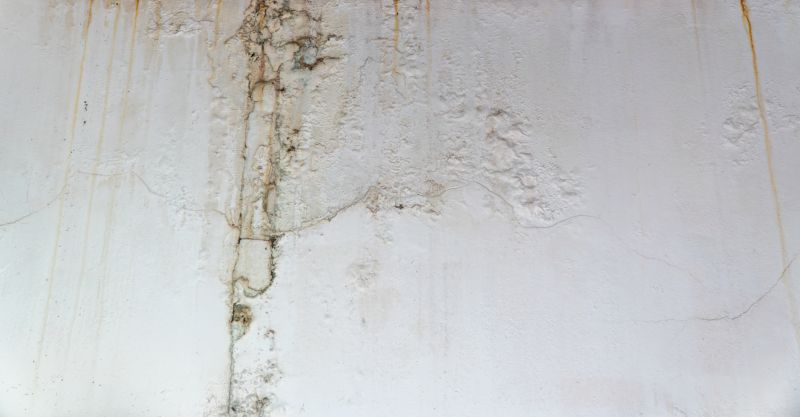
Lower-waste or water-saving choices for Attic Ceiling Repairs.
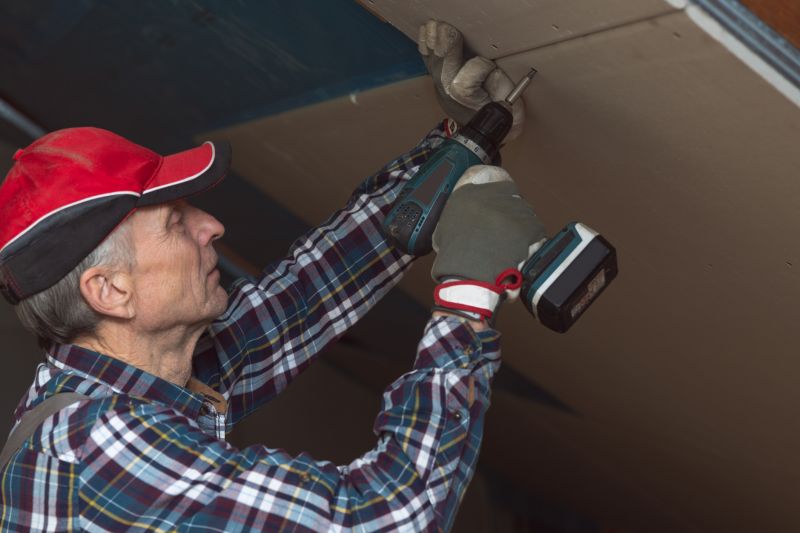
The short, realistic tool list for quality Attic Ceiling Repairs.
Interested in attic ceiling repairs? Filling out the contact form can provide further information and assistance for scheduling repairs at the most suitable time for specific needs.